A single-serve machine, a drawer of stale pods and a per-cup cost higher than the café downstairs. Nobody likes it, everybody uses it.
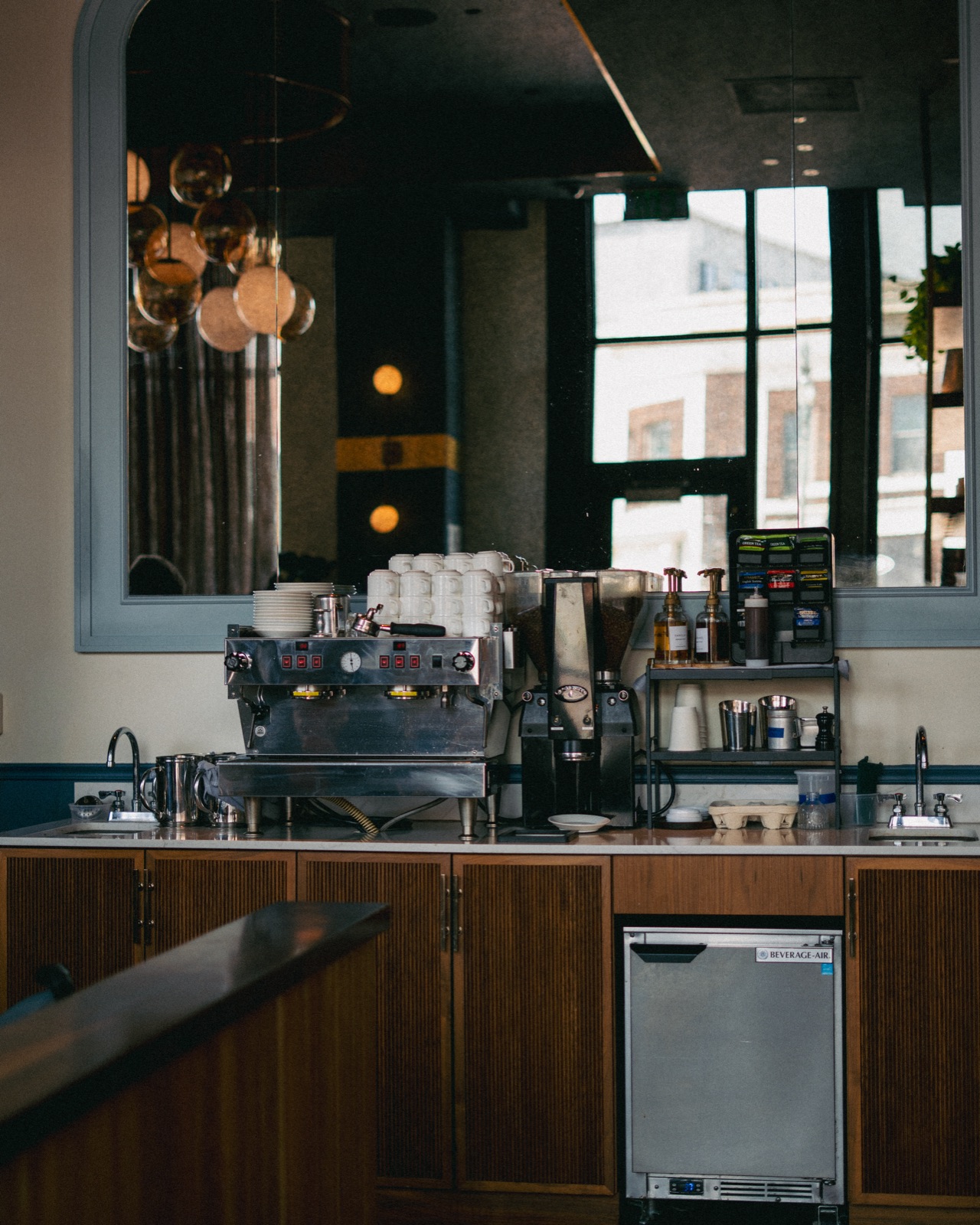
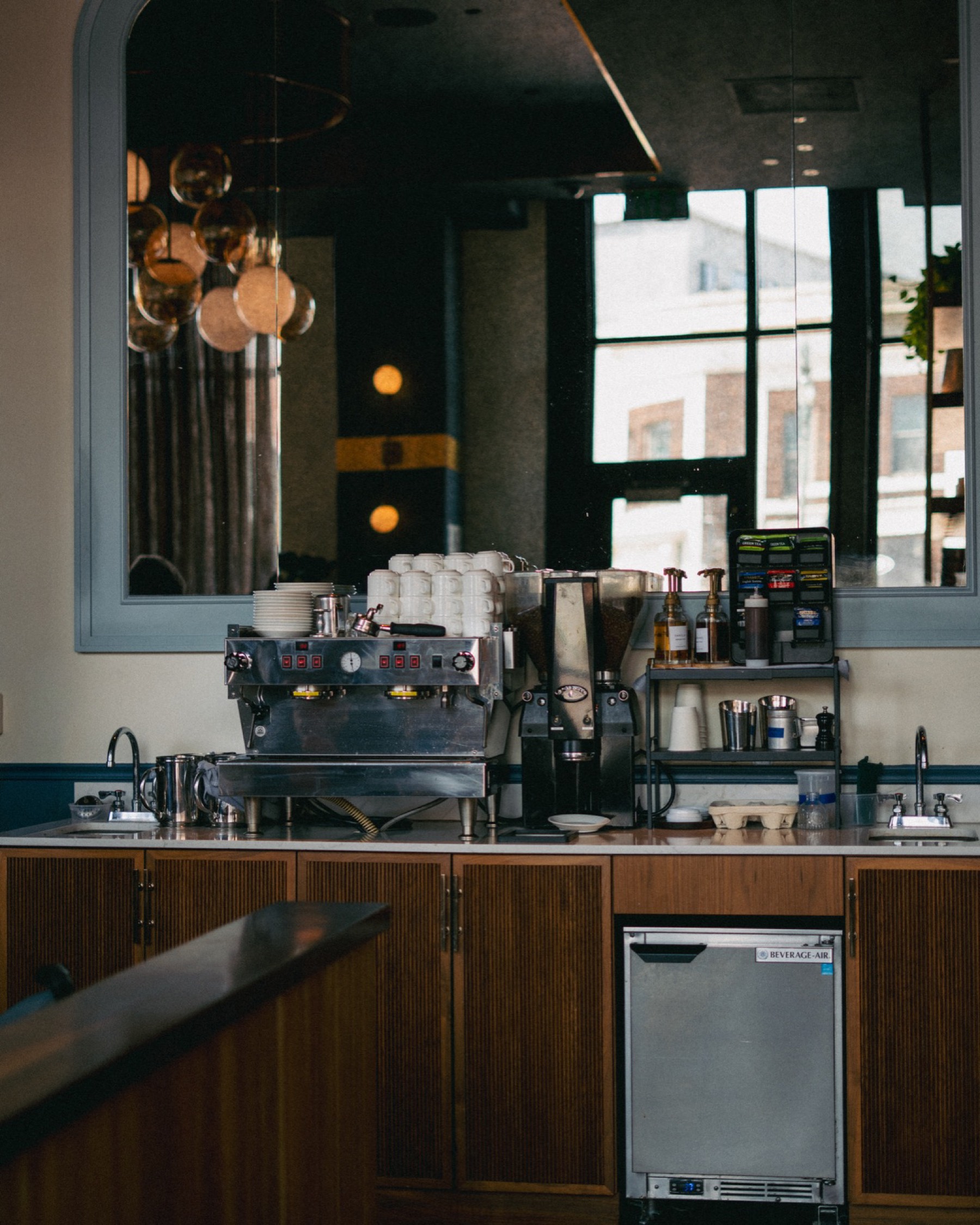
Someone bought a real espresso machine. It made three good drinks, then sat dirty because no one owns it or knows how.
Whatever was on sale, ground weeks ago, sitting open next to the machine. The coffee tastes like the office.
Ordering, cleaning, service. Without one owner and a schedule, the program dies the first month someone's on vacation.
Headcount picks the machine. Under about 20 people, a good batch brewer or one bean-to-cup unit. Twenty to seventy-five, bean-to-cup. Past that, two units or a real espresso setup, and only if someone owns it.
Whole bean, ground at brew. Ground coffee goes flat in days. Whole bean, roasted recently, ground when you brew is the single biggest quality jump an office can make. Order enough for one to two weeks, not a quarter.
Scale kills machines. Most office machine failures are mineral scale from untreated water. An inline filter and a descaling schedule cost little and double the life of the equipment.
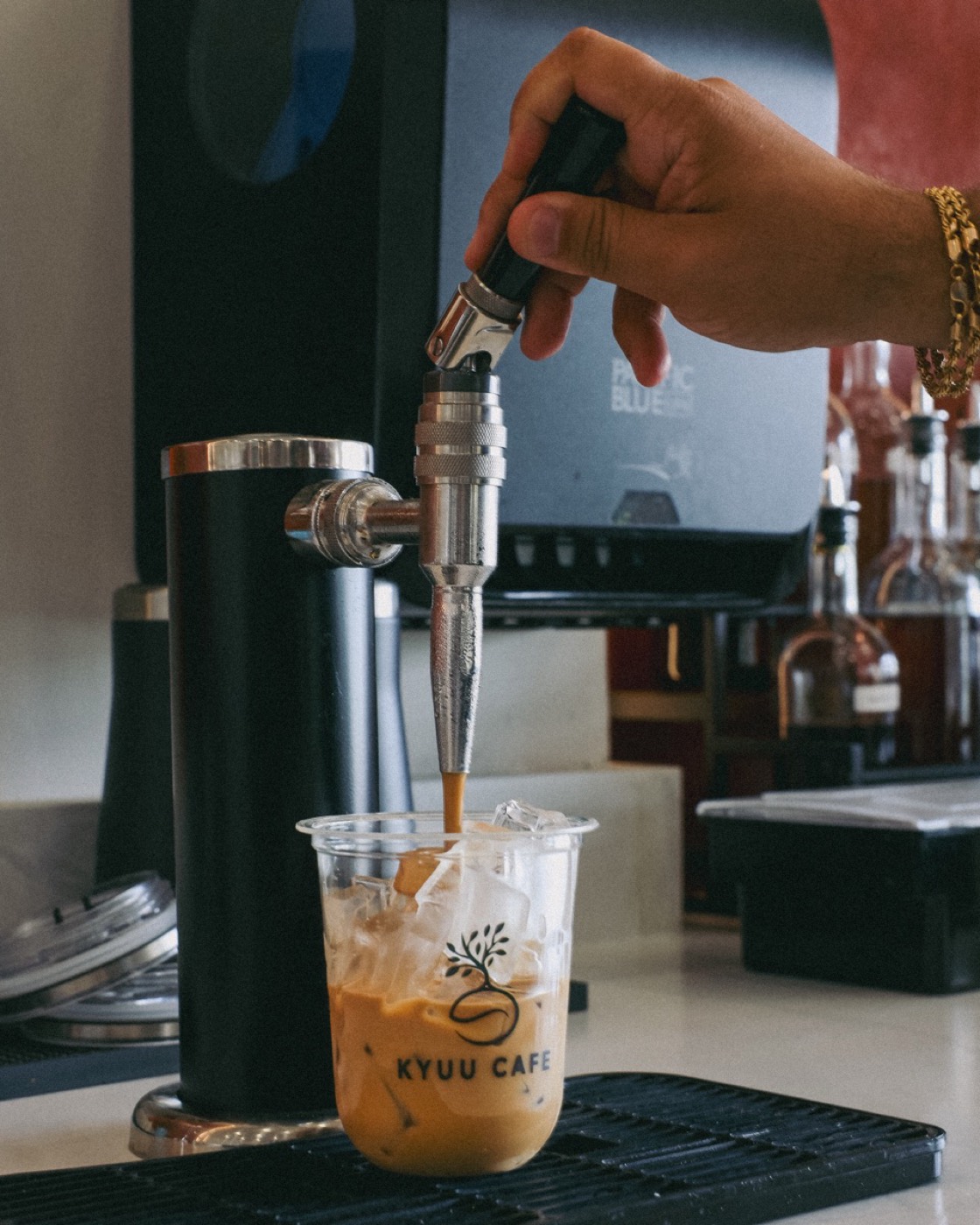
Cold brew runs itself. A keg of cold brew in a small fridge with a tap lasts about two weeks and needs no machine, no grinder and no cleaning cycle. It's the lowest-effort upgrade for summer.
How many people, how many cups, what hours. That decides the equipment. A 12-person office and a 120-person floor need different things.
Batch brewer, bean-to-cup or a small espresso setup, specified to headcount and to who will run it. Sourced and installed.
Detroit-roasted coffee delivered on a schedule through the office coffee subscription, sized to your consumption, so it never runs out and never goes stale.
Cold brew on tap or in kegs for summer, KUMO matcha for the people who don't drink coffee. Both low-effort to run.
Who orders, who cleans, when. A short SOP that survives turnover and vacations.
Preventative maintenance and repairs in metro Detroit, so the machine keeps working and someone other than you deals with it.
Week 1Count and Taste. Headcount, hours and a tasting with the people who'll drink it. Then a recommendation and a monthly number.
Weeks 2 to 3Install and Set Up. Equipment installed, subscription started, water and cleaning sorted, one-page program written.
Week 4Hand Off. A short training for whoever owns it, and a check-in after the first month.
It depends on headcount and equipment, but the honest comparison is against what you spend now on pods, plus what people spend at the café downstairs. A real program is usually in the same range and tastes like it cost more. Send a headcount and we'll put a number on it.
Someone in the office, on a schedule we write down, plus our preventative service visits. Bean-to-cup machines make this a two-minute daily job. Espresso machines need an owner, which is why we only recommend them when there is one.
Yes. Cold brew on tap or in a keg is the easiest upgrade an office can make. Low effort, no hot machine to manage, and it gets used through summer.
Through the office coffee subscription, on a schedule sized to how much you drink. Detroit and the surrounding area by our team; shipped elsewhere.