Coffee gets picked after the menu, the wine list and the bar. It's whatever the distributor carries, served on whatever the last tenant left behind.
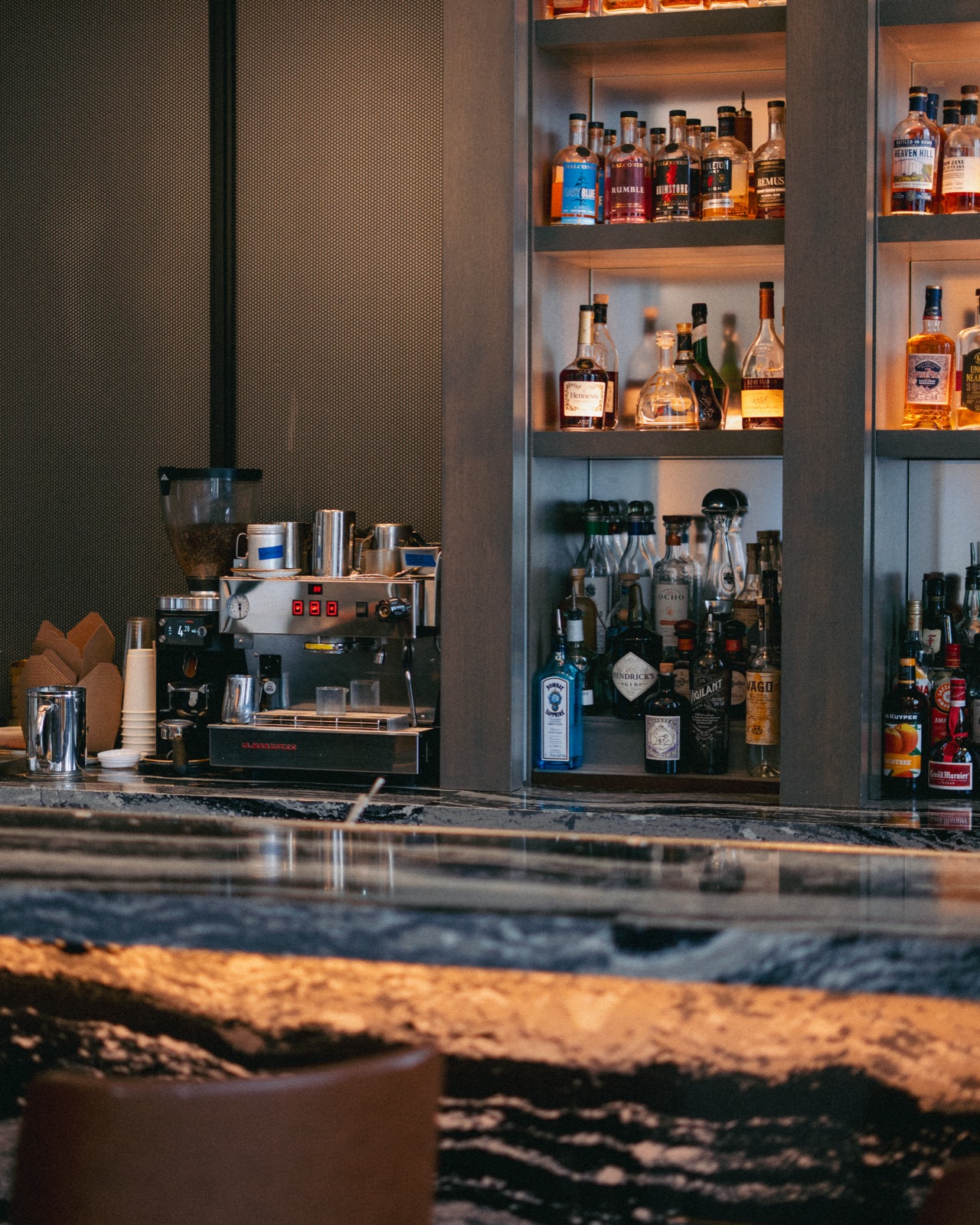
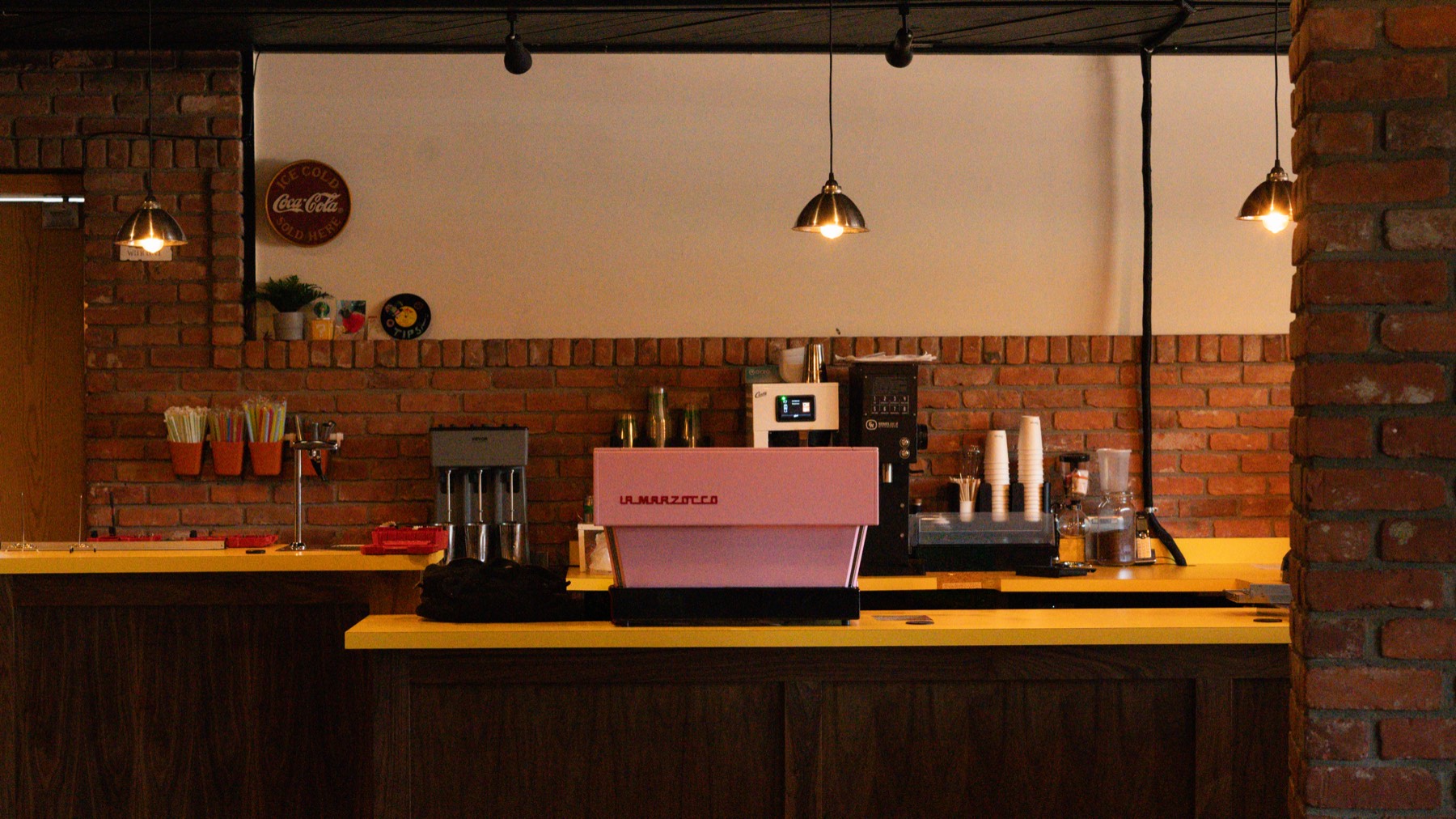
The espresso machine on the bar makes sour shots because it was set up once and never dialed in again. Servers avoid selling it.
A dark, bitter drip after a careful tasting menu. The last thing a guest tastes should match the care that came before.
Weekend brunch is the highest-volume coffee hour a restaurant has, and most run it on a single airpot and hope.
Brew smaller, more often. Batch coffee is at its best for about 30 minutes in a thermal server and fades from there. For brunch, half-batches brewed on a timer beat one big urn at 9am.
Dessert coffee wants a lighter roast. After a meal, a dark, bitter cup fights the food. A medium roast, fresh ground, served in a press or a pour-over at the table sells itself and costs cents more.
Cold brew is the bartender's friend. Cold brew concentrate holds for a week or more refrigerated and pours the same every time, which is what a bartender needs at 10pm. Fresh espresso is better in a martini; cold brew is more consistent.
Price it like a beverage. Coffee has one of the lowest ingredient costs on the menu. Priced and portioned like the rest of your beverage program, brunch and dessert coffee are among the highest-margin items you serve.
A coffee menu built against your food and your bar. Roast, brew method and format chosen to match, not the other way around.
Batch brew that keeps up with a full dining room, cold brew on tap, and a par so it never runs dry at 11am.
Shots that work in an espresso martini and a cortado alike. Recipe, grind and a machine your bartenders can actually run.
Assessment of what you have, spec of what you need, install and fundamentals. Often the fix is a grinder and a service, not a new machine.
Servers and bartenders trained on the drinks they sell. Recipes and SOPs stay with the restaurant, not one employee.
Detroit-roasted coffee and KUMO matcha through the wholesale program, delivered on your schedule. Optional.
Week 1Taste the Program. We eat, we drink the coffee, we look at the bar and the brunch line. Then a short list of what's costing you and what it would take.
Weeks 2 to 4Build and Spec. Menu written against the food, recipes and pars set, equipment specified or serviced, bar drinks developed with your bartenders.
Weeks 4 to 6Train and Launch. Front-of-house trained, brunch run once with us on the floor, then a check-in after the first full weekend.
Less than a café and more than an airpot. Usually a good batch brew for brunch and dessert, cold brew if your bar wants it, and espresso only if someone will own it. We size the program to your service, not to a café's.
Yes, when it's priced and portioned like the rest of the menu. A cortado costs less to make than a glass of house wine and sells at a similar margin. Brunch coffee and dessert coffee are the two places most restaurants leave money on the table.
With the espresso and cold brew, not the cocktail. A bad shot makes a bad martini. We develop the coffee first, then build two or three drinks with your bartenders that use it well.
If you want. Detroit-roasted coffee through the wholesale program with no minimum on standard orders. Not required. We've built restaurant programs around other roasters' coffee.