Every barista taught by the one before them. Small errors compound until nobody remembers what the drink was supposed to taste like.
Generic latte art tutorials on a different machine with a different milk. None of it survives contact with your bar on a Saturday.
The manager runs the schedule but can't dial in a grinder or taste a bad shot. So quality has no owner.
A training day, then nothing. Six weeks later the standard has drifted and nobody checked.
Dial in by ratio, not by eye. A typical espresso recipe is about 1 to 2, coffee in to liquid out, in the range of 25 to 30 seconds. Weigh both. Adjust grind, not dose. Every barista on the same numbers is what consistency means.
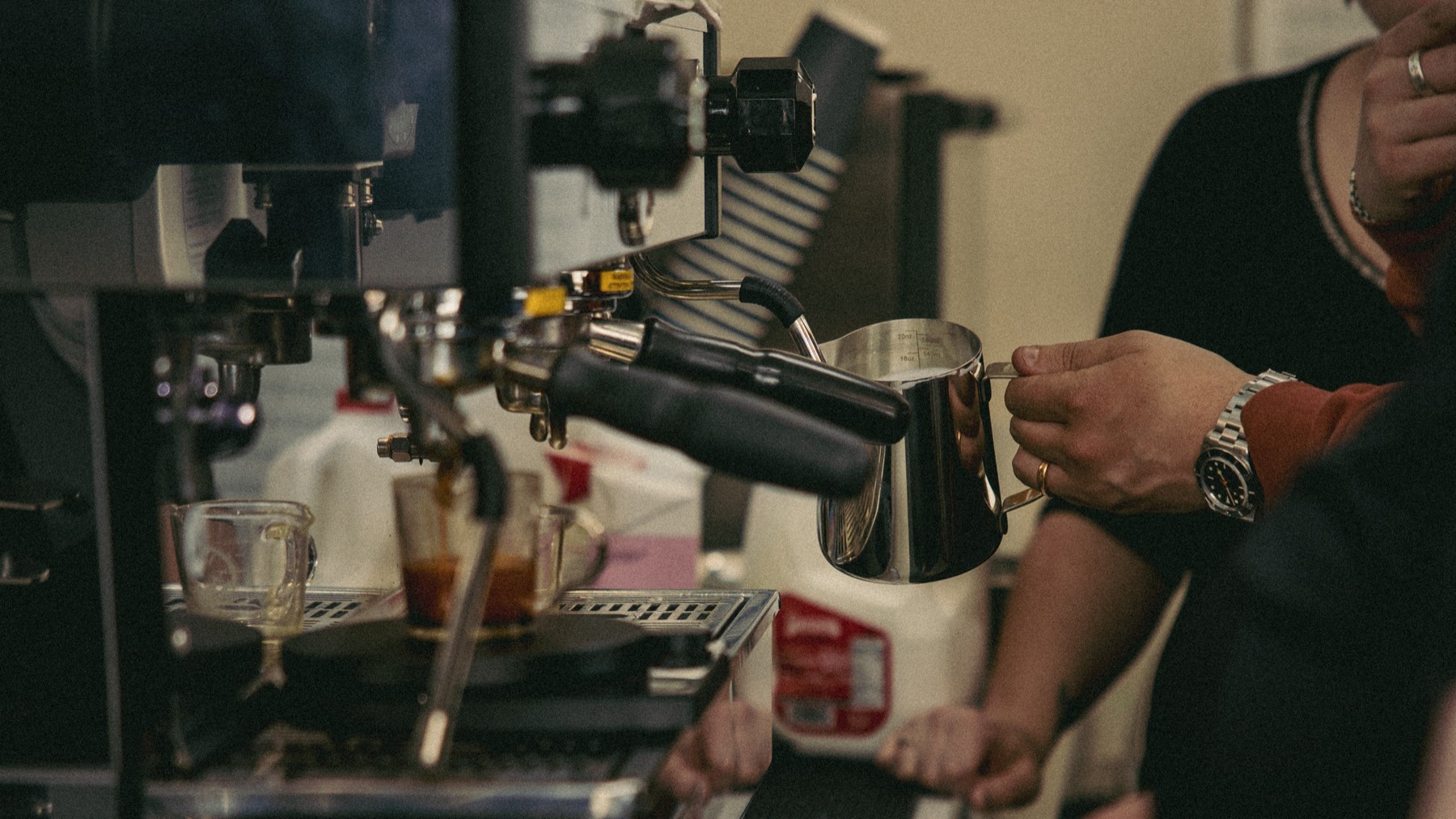
Steam to temperature, once. Milk steamed to roughly 140 to 150°F, textured, never re-steamed. Hotter scalds the sugars and kills the sweetness. A thermometer on the pitcher until it's instinct.
Taste the first shot. The opener pulls and tastes a shot before the doors open, every day. Coffee changes as it ages and the weather changes the grind. Five minutes a morning catches most drift.
Two hours per hire. With written recipes and SOPs, onboarding a new barista to the standard takes about two focused hours plus a shadow shift. Without them it takes weeks and produces a different bar.
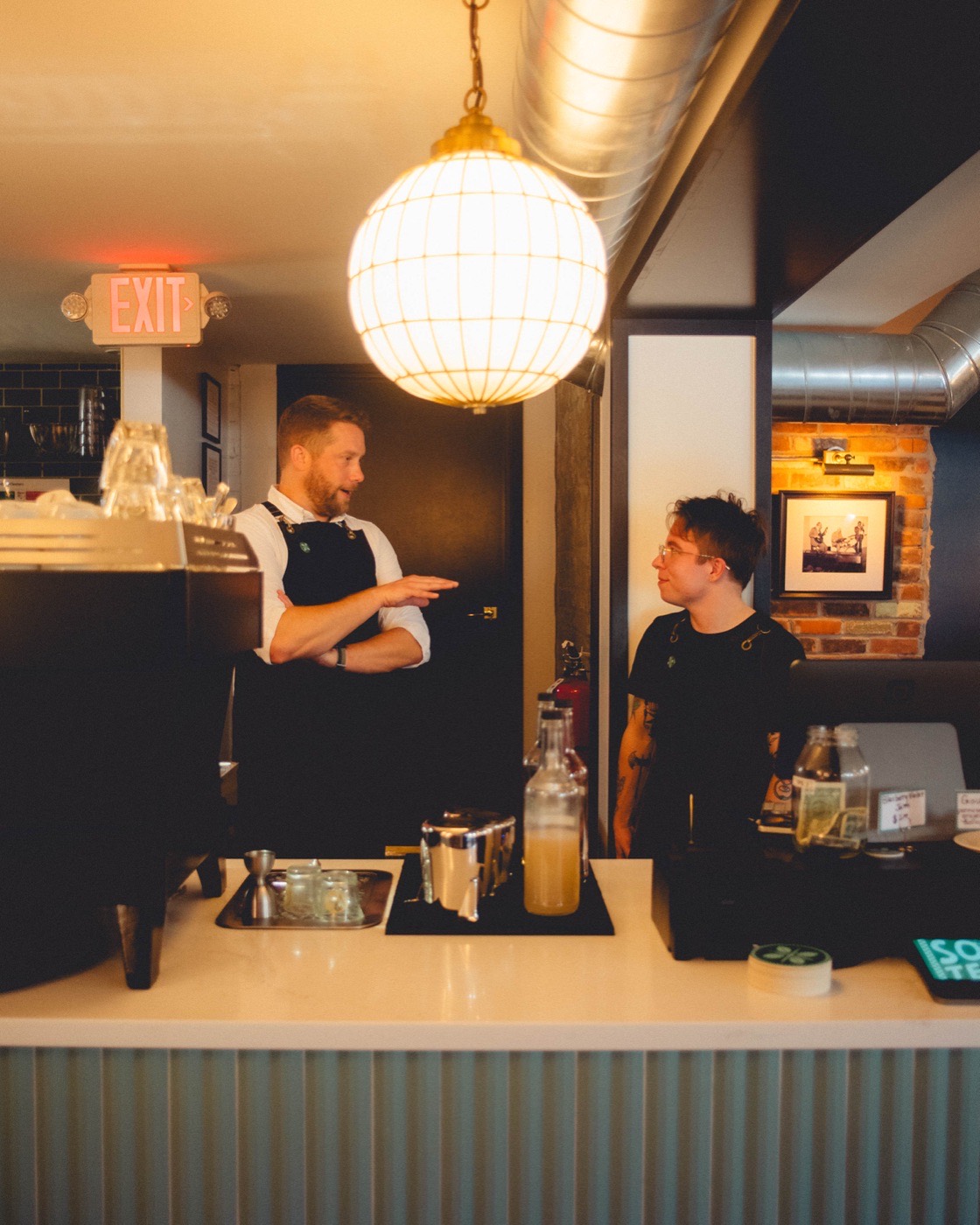
We watch a real shift first. Where quality drifts, where the workflow jams, what people actually know.
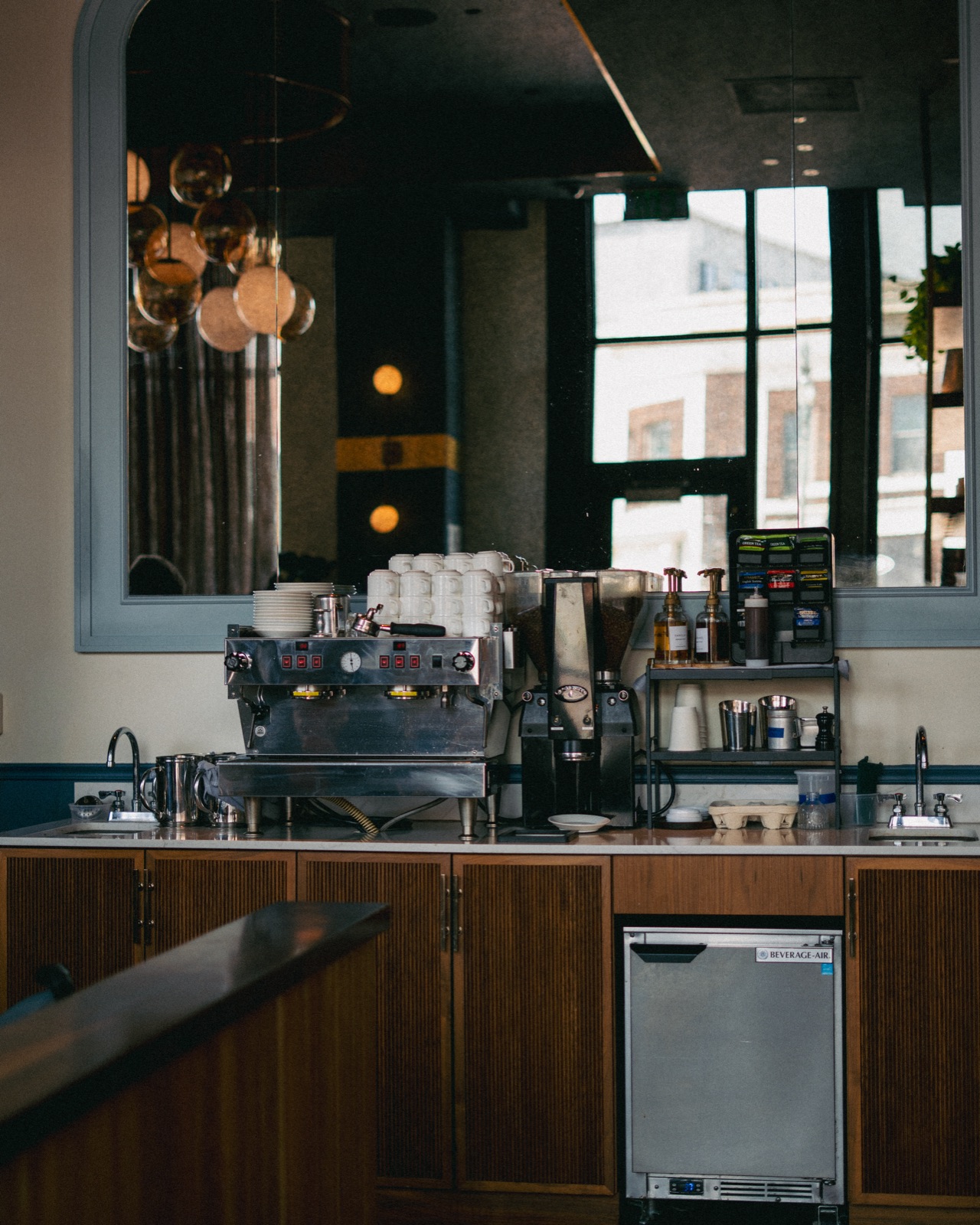
Dialing in, espresso, milk, your menu, your recipes, on your equipment. Hands on, small groups, until it's consistent.
Tasting, troubleshooting, coaching. So the person on salary can own quality after we leave.
A full service run with us on the floor before opening or relaunch. Problems found here cost nothing.
Recipes, SOPs and a training manual that live with the business, so the next hire starts from the standard, not from scratch.
A follow-up visit after the team has settled. We taste, we watch, we correct the drift.
Day 1Watch a Shift. Assessment on a real service. A short list of what to fix and a plan for the sessions.
Week 1 to 2Train. Barista sessions in small groups, a manager session, all on your bar. Materials handed over.
Week 2 to 6Mock Shift and Check-Up. Full service run with us on the floor, then a follow-up visit once the team has settled in.
In person, in metro Detroit: Wayne, Oakland and Macomb counties. Training is the one service we don't do remotely, because it only works on your equipment with your team.
Small groups. Three or four at the bar is about right for hands-on work. Larger teams get split into sessions across a day or two.
Usually not. Sessions run before open or after close, and the mock shift runs as a soft service. For a new café, training happens the week before opening.
Good. We train to your recipes and tighten them where they're vague. If you don't have them written down, menu support builds them.