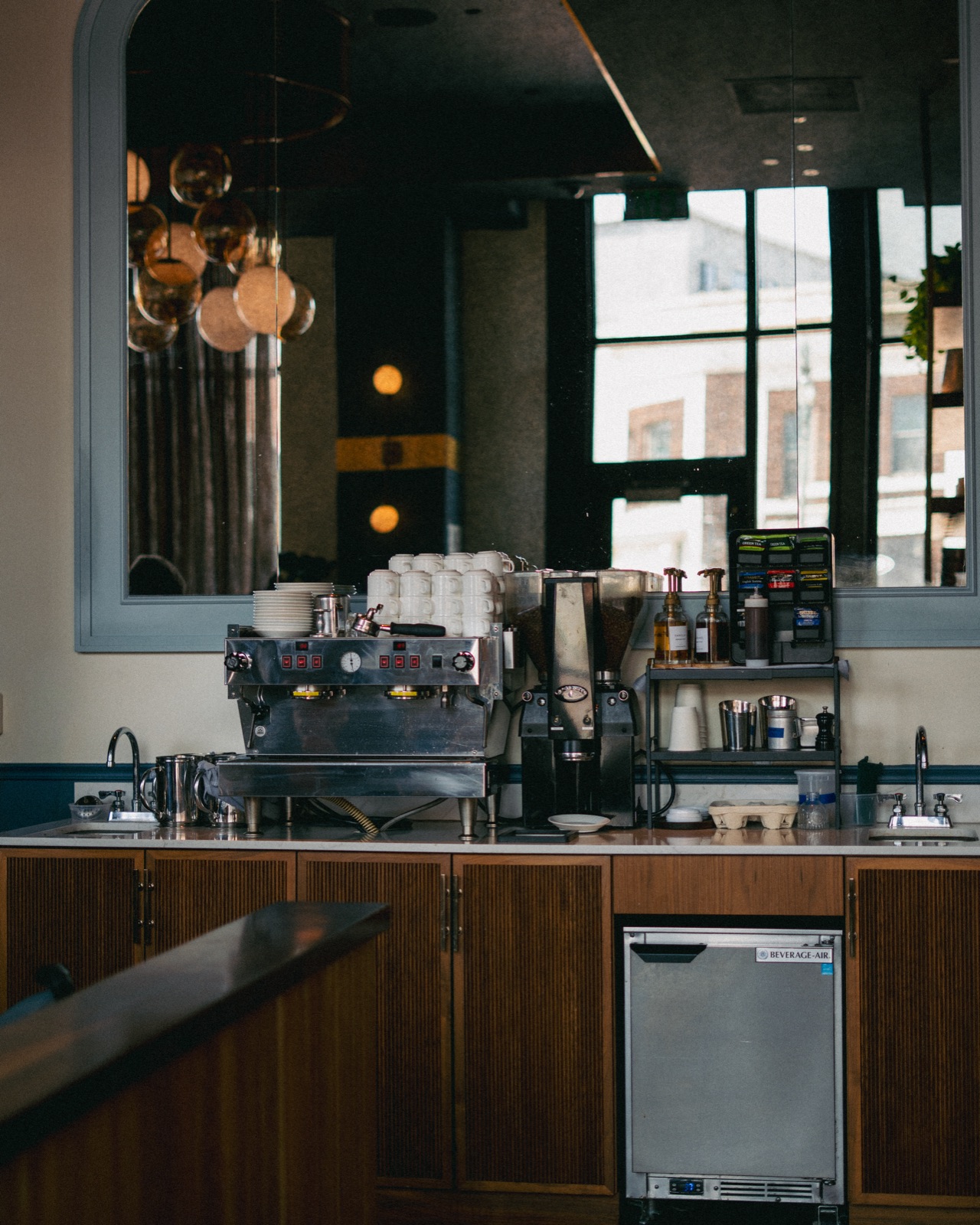
A wellness brand selling a dark, bitter coffee. A luxury hotel selling a bag that tastes like the supermarket. The product has to taste like the promise.
Big co-packers want pallets. Most brands want to start with a shelf. If the minimum is wrong, the product never launches or it sits in a warehouse going stale.
Weight statements, ingredient lines, allergen and origin claims. Retail coffee has labeling rules, and a bag that misses them gets pulled from the shelf you worked to get on.
The launch batch was great. The reorder wasn't. Without a documented roast profile and blend spec, consistency depends on luck.
Start with who's drinking it. A hotel guest, a retail shopper, a gym member and a creator's audience want different coffees at different prices. The blend, the roast level, the bag size and the price all follow from that one answer.
Fresh beats everything. Coffee is at its best for weeks, not months. A private label program that roasts to order in small runs will out-taste one that ships from a warehouse, and it keeps your cash out of inventory.
Labels are a compliance item. Net weight, roast date or best-by, ingredient statement where required, origin claims you can back up. We've done the bags; we'll make sure yours passes before it prints.
Margin is set at the blend. Green coffee cost, roast loss, bag and label cost, and your wholesale or retail price all get decided before the first roast. A product that's priced after it exists is usually priced wrong.
Tasting with you, iterations at the roastery, a documented blend spec and roast profile so batch ten tastes like batch one.
Roasted in Detroit in runs sized to your sales, not a pallet minimum. Coffee and KUMO matcha. Retail bags from a six-bag minimum.
Bag, label and the compliance items on it. Your design or ours. We check weight, dating and claims before anything prints.
Landed cost per bag and the wholesale and retail prices that make it work, decided before the first roast.
Delivered to your locations across metro Detroit, shipped anywhere in the US, or shipped direct to your customers. Your call.
Tasting notes, product copy, a launch tasting for your team or your audience. The product is only half of a launch.
Weeks 1 to 2Brief and taste. Who it's for, where it sells, price point, look. A tasting to set direction.
Weeks 2 to 5Develop and cost. Blend iterations, roast profile locked, label and bag finalized, landed cost and pricing agreed.
Weeks 5 to 8First run. First production roast, packaged and delivered or shipped. Reorders on a schedule after that.
Six bags for private label retail bags. Real runs are usually more, but you don't have to commit to a pallet to find out whether your customers want it.
Yes. KUMO ceremonial matcha in your packaging, with the same development and compliance work. For wellness brands and studios it's often the better first product.
Either. Bring your designer and we supply the dielines and the compliance checklist. Or we design it with you in our house style. [LUKE: confirm whether design is offered in-house]
Yes. Orders can ship from the roastery to your customers, or in bulk to you. [LUKE: confirm direct-to-customer fulfillment terms]