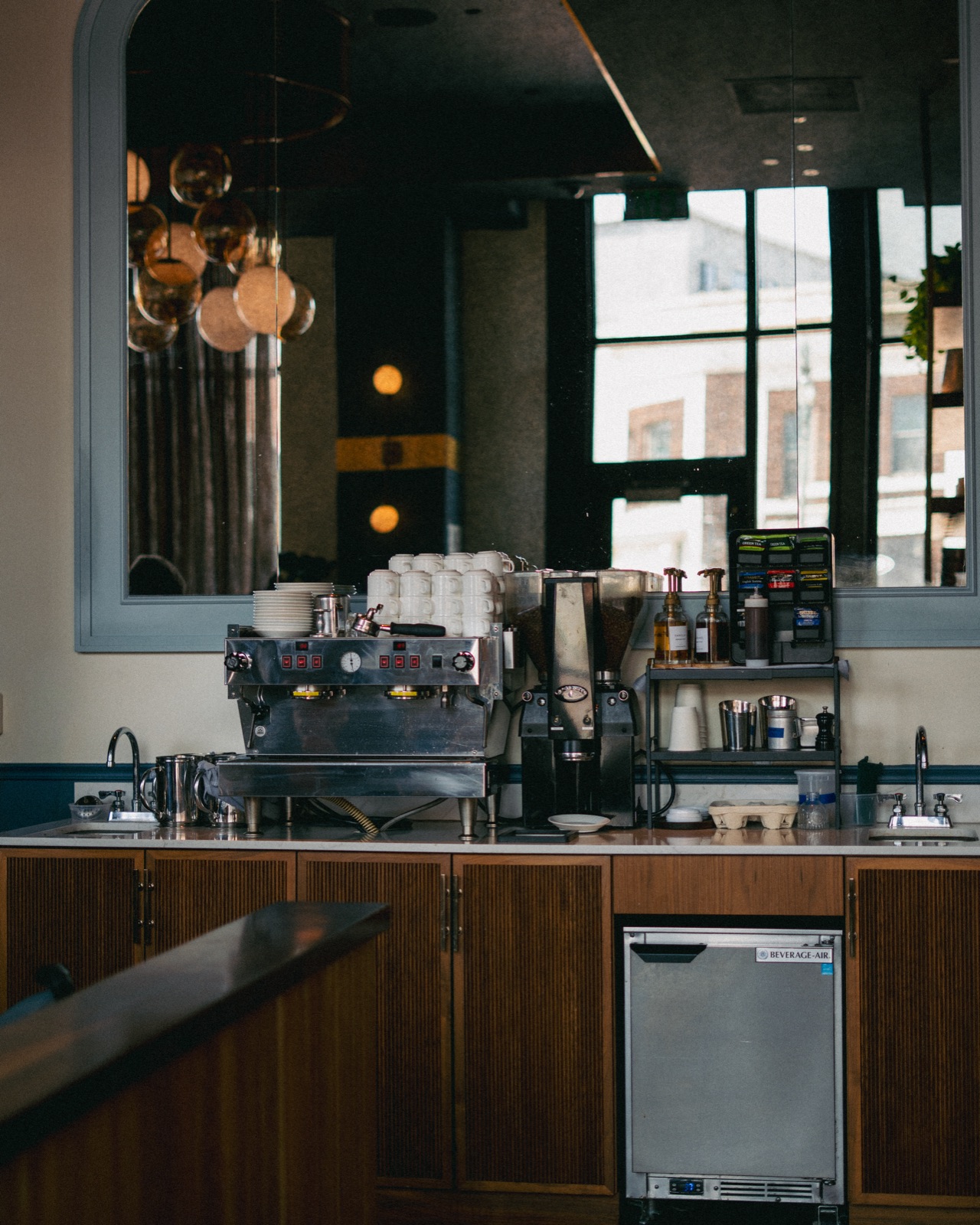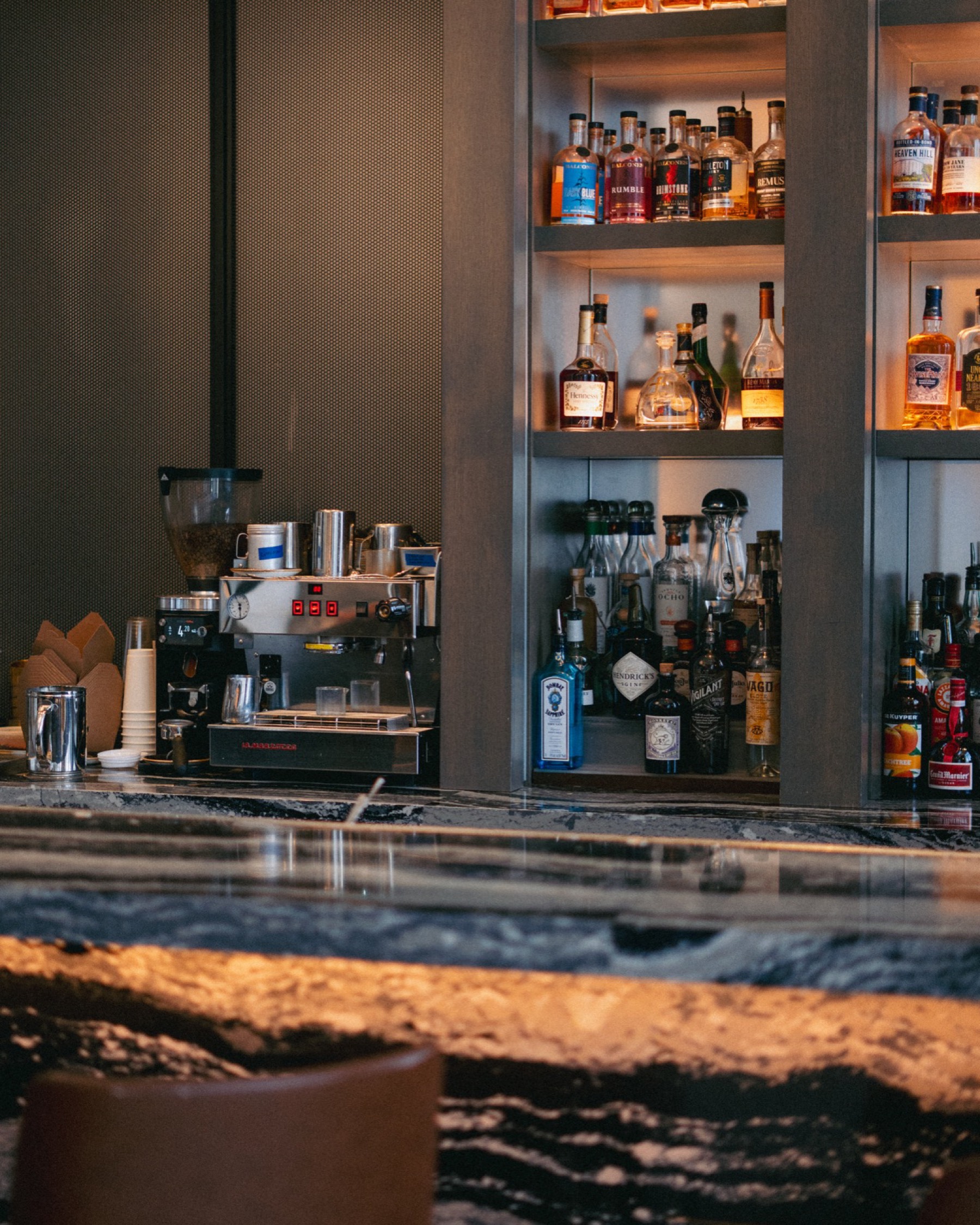
Pods in the room, a different bag at the restaurant, whatever the bar has. Guests notice, and the property carries five pars and five vendors.
The first cup of the day is a plastic pod. It's the coffee guests remember, and the one most properties never think about.
A good espresso machine with no recipe, no grinder plan and no service contract makes bad coffee within a month.
One trained barista leaves and the standard leaves with them. Nothing is written down, so the next hire starts from zero.
Pods cost more than they look. Per cup, single-serve pods cost more than fresh-ground coffee at any real volume. The larger cost is the guest who decides your coffee isn't worth drinking before breakfast.
One blend is a design problem. A coffee that works as espresso, batch drip and a carafe has to be chosen for all three. Most roasts are built for one. Taste candidates across every brew method you'll serve before you commit.
Test the water at every outlet. Hotel water is often softened for the building. Softened water protects boilers but can corrode espresso machines; hard water scales them. Each outlet's line should be tested and treated for the machine on it.
Write the standard once, post it everywhere. Turnover is a given. A laminated recipe card at every machine, one owner per outlet and a par sheet in the storeroom is what keeps the coffee the same in March as it was in January.
A proprietary blend built to work as espresso, batch drip and carafe service. One coffee the whole property can stand behind, roasted in Detroit.
Carafe delivery, a small brewer with portioned grounds, or a lobby bar on room charge. Specified to your room count and staffing, not a pod default.
Espresso, drip, cold brew and matcha on a menu the line can execute from breakfast through banquet service.
Cold brew and espresso built for cocktails. The espresso martini deserves better than the breakfast drip.
Assessment of what you have, then spec, sourcing and install of what you need. Preventative maintenance and same-day callbacks after.
Recipes, par sheets and a training manual that stay with the property. Opening team trained in person, new hires onboarded from the same book.
Week 1 to 2Walk the Property. Every outlet, every machine, every par. We come back with what's working, what isn't and a scope for the program.
Weeks 3 to 8Build the Program. Blend development and tasting with your F&B team, in-room format decided, equipment specified and ordered, menu and SOPs written.
Weeks 8 to 12Install and Train. Machines installed and dialed in, teams trained outlet by outlet, first guests served. Then service and check-ins on a schedule.
Yes, and it should. One blend built to hold up as espresso, as batch drip and in a carafe means one par, one training standard and one taste across the property. The Godfrey runs its rooms, lobby and Hamilton's restaurant on a single blend.
Depends on the property. Single-serve pods are the default and the weakest option. Hand-delivered carafe service, a small brewer with pre-portioned grounds, or a lobby bar with room-charge are all better, and the right one comes down to your room count and staffing. We'll spec it with you.
Not necessarily. We start with an assessment of what you have, how it's maintained and whether it fits the volume. Often the fix is service, grinders and a recipe, not new equipment. When it is new equipment, we spec, source and install it, and keep it running under our repair program.
That's the hotel reality, so the program is built for it. Recipes, SOPs and a training manual live with the property, not with one barista. We train the opening team in person, then managers can onboard new staff from the same materials. Follow-up sessions are available in metro Detroit.